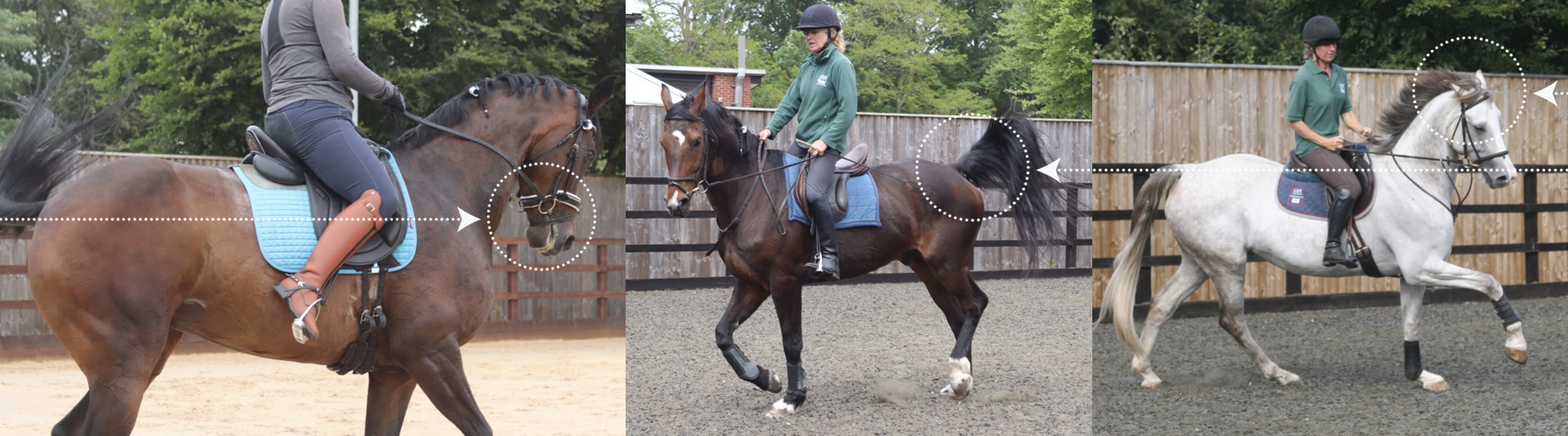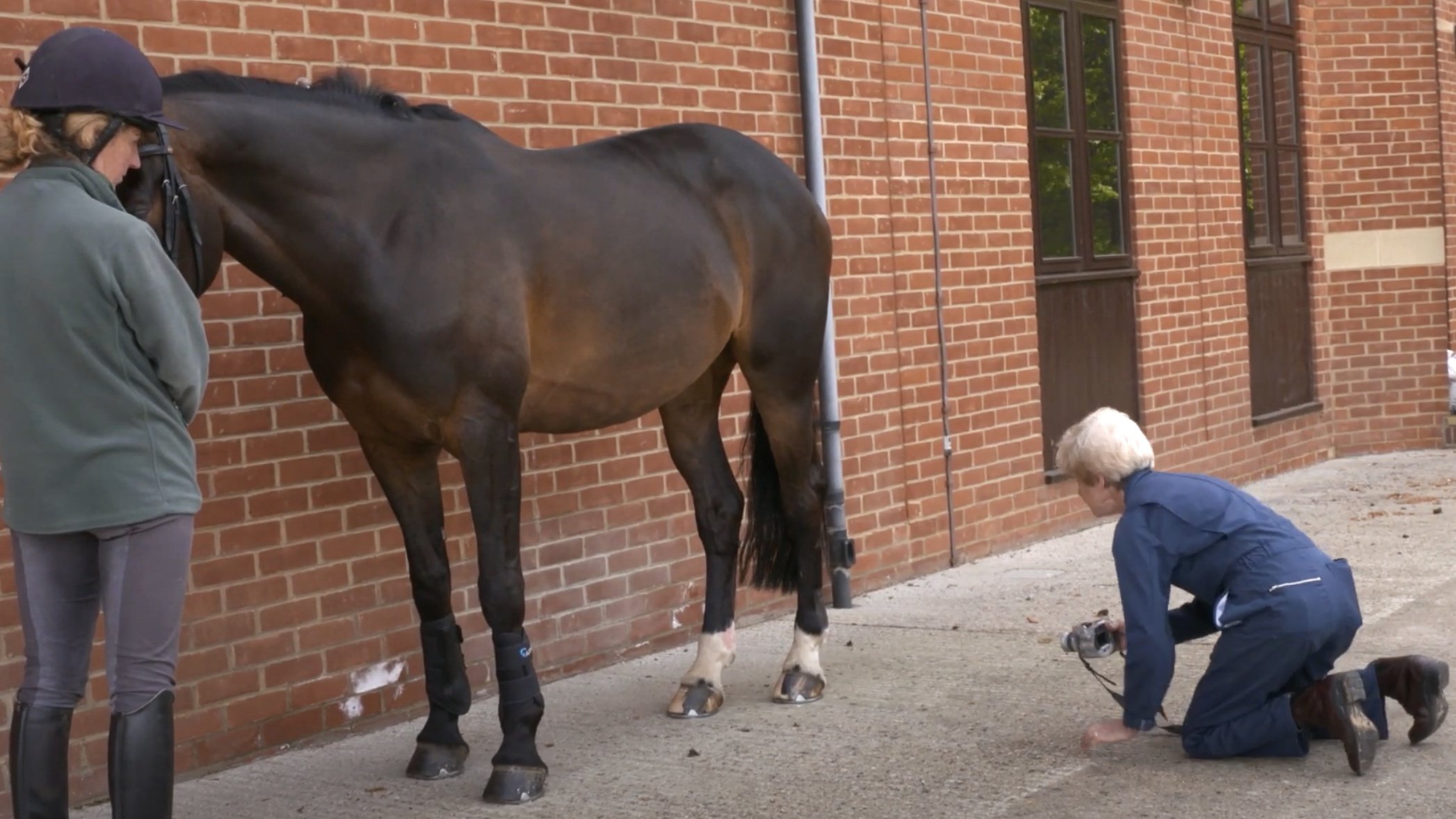
“The question we asked was: can we determine, by looking at facial expressions and other behaviors, whether the horse has musculoskeletal pain?”
– Dr. Sue Dyson
24HorseBehaviors.org is operated by the 501(c)(3) nonprofit Train with Trust Project (EIN 88-0844535). Please consider a donation today to help us keep animal behavior education free and accessible for everyone.
Together, we can make the world a better place for horses.
new conversations with Dr. sue Dyson
-
![]()
Coming Up! Equine Tail Behaviors and Soundness
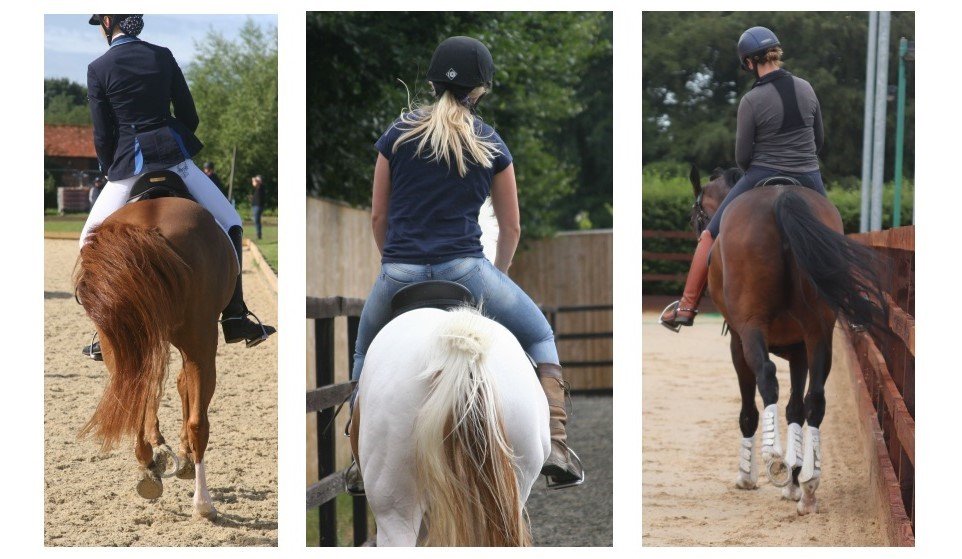
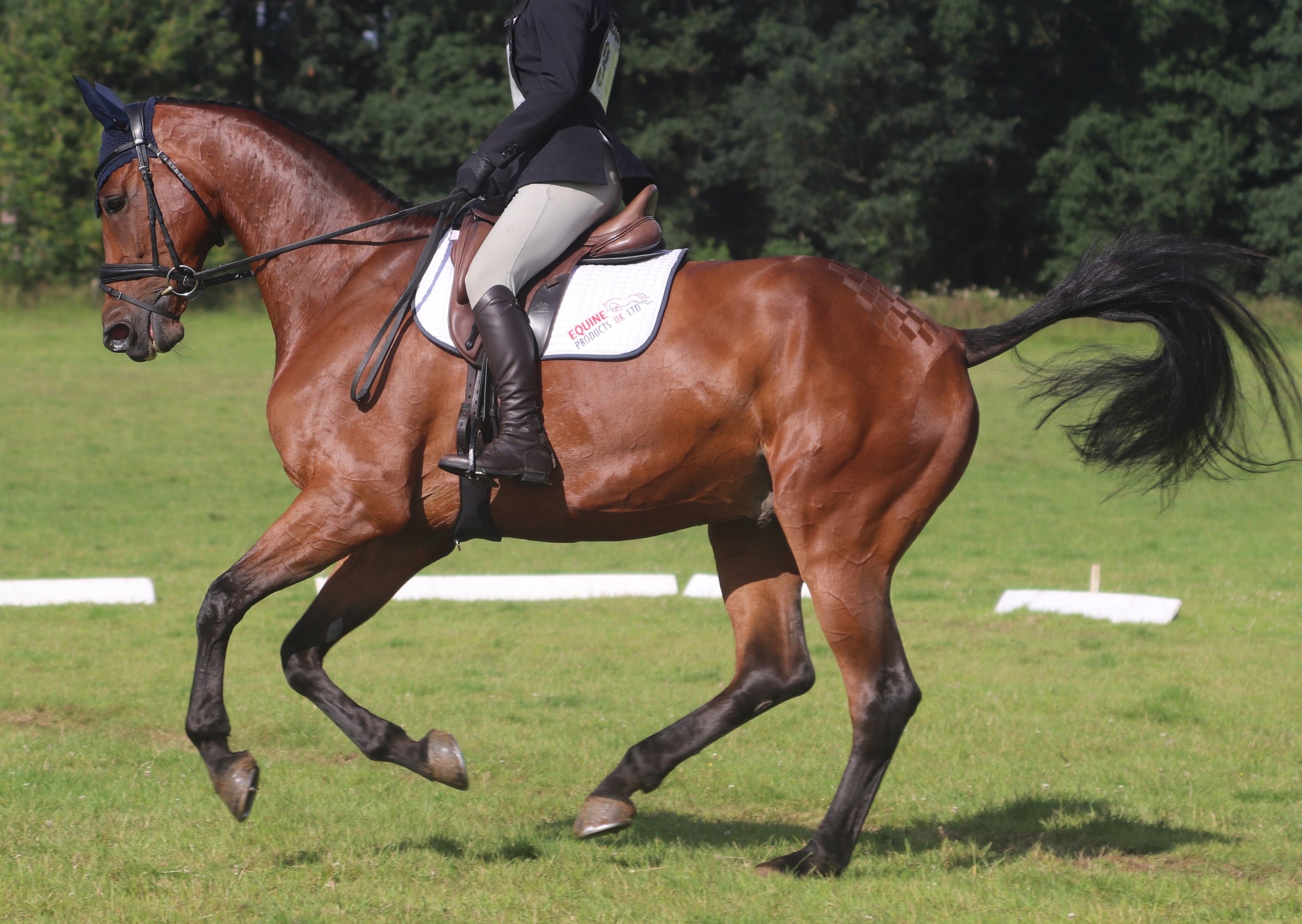
Two behaviors on the Ridden Horse Performance Checklist (aka RHpE) pertain to the tail. Because a horse’s tail is an extension of the thoraco-lumbar spine, observing these behaviors during riding can reveal a great deal about a horse’s orthopedic health.
Join us live on Facebook as Dr. Sue Dyson and the Train with Trust Project explore how you can distinguish normal tail movement patterns from abnormal ones, and the ways these patterns may be related to your horse’s soundness.
Tuesday August 25th
9 PT/12ET/1700 UK
-
![]()
Keeping Your Horse Happy During Injury Rehab
When a horse is unable to be ridden due to injury or illness, stall rest, hand walking and sedation have traditionally been considered the key components of a successful recovery. However, advances in our understanding of equine management have given us additional tools to reduce stress, prevent boredom, and mitigate behavior problems while actively supporting the recuperation process.
Incorporating these strategies into your rehab can help your horse come back into work even better than before.
The Train with Trust Project and Dr. Sue Dyson discuss why and how you can implement enrichment into your rehab plan.
-
![]()
New! Avoid Purchasing Pitfalls - Matching Horse to Rider for Health & Success
Buying a horse is a complex decision with many potential pitfalls, no matter your level of experience. Identifying behavioral and physical health issues and determining appropriateness of the match for the buyer under time pressure and with money on the line can feel like a high-stakes gamble.
Fortunately, there are identifiable strategies and key choice-points based on available evidence that can improve your chances for a successful pairing.
Dr. Sue Dyson and the Train with Trust Project take an in-depth look at how to set the stage for a fulfilling partnership, long-term welfare and high performance while shopping for your next horse.
-
![]()
Observing & Interpreting “Mouth Open” Behavior in Ridden Horses
Among the 24 behaviors of the Ridden Horse Performance Checklist (RHpE), “Mouth Opening” is one of the more commonly seen, and unfortunately one of the most normalized of these potential indicators of discomfort. Dr. Sue Dyson and the Train with Trust Project discuss the most common underlying causes, as well as ideas for how we can all help the world of horse sports move towards a more welfare focused approach to observing and interpreting this important behavioral signal.
-
![]()
Diagnostic Nerve Blocks for Early Intervention
The Ridden Horse Checklist (aka RHpE), is a valuable tool for spotting subtle signs of lameness. If a horse scores greater than 8 out of 24 behaviors, a key follow-up component needed to support early intervention is diagnostic nerve blocks. Unfortunately, nerve blocks are frequently reserved for cases of obvious lameness, when injuries may have progressed and are often more difficult to treat successfully.
In our conversation with Dr. Sue Dyson, she answers many questions owners have about the process, and brings insight as to how we can address the obstacles that can make the use of nerve blocks prohibitive for veterinarians and horse owners alike.
-
![]()
There's No 'I' in Horse: Facillitating a Team Approach to Equine Care
How can we maximize efficiency and effectiveness as we work together to ensure the best welfare for horses? Communication and a team approach are key components for taking full advantage of recent developments, such as the Ridden Horse Checklist that help us to recognize and successfully treat early lameness.
In a conversation with Dr. Sue Dyson and Jody Ambrose of the Train with Trust Project, we explore case studies, discuss practical tools, and provide actionable advice for collaborating to produce the best outcomes for horses.
-
![]()
Making Informed Decisions about Equine Products
Do I need it? Does my horse need it? Will it actually help? Ranging from tack to supplements, information about new products is pervasive on social media, as well as in social and professional circles. It can be a challenge to sort out whether an item represents a valuable product advancement or a rampant consumerism trend. Determining whether there is valid science supporting marketing claims, or if a legitimately good product will be of benefit to you and your particular horse can be something of a gauntlet.
Dr. Sue Dyson and the Train with Trust Project discuss ways in which you can evaluate products to make informed decisions for your horse, as well as your budget.
-
![]()
Ulcers & Behavior - Exploring the Latest Research
There are many behavioral signs that riders and trainers often attribute to Equine Gastric Ulcer Syndrome (EGUS), and it has become common to treat ulcers medically as a frontline intervention. But what does the latest research say about ulcers and behavior? When ulcers are not the underlying cause of these behaviors, how are outcomes affected?
JIn a conversation with Dr. Sue Dyson, we sort out how we can use all of this information to best understand behavior while making informed decisions regarding treatment and prevention of ulcers.
-
![]()
Evaluating Soundness in Trot
As requested by a 24 Behaviors follower, Dr. Dyson and the Train with Trust Project discuss behaviors of the Ridden Horse Checklist that are commonly seen in trot. The most common gait observed when evaluating lameness, people often look for a head-bob while in trot, but as the RHpE shows, there are many other behaviors that can indicate the possibility of discomfort and even early lameness.
Rushed gait, slowed gait, reluctance to move forward to name a few - unfortunately, most of these are so common that they are regularly accepted as ‘normal’. The good news is that observing them and understanding their meaning is quite simple, and the increasing awareness about their significance means more horses are receiving the proper care as a result.
-
![]()
How has the 24 Behaviors Checklist Empowered the HOrse Industry?
On the 3rd anniversary of release of the film, The 24 Behaviors of the Ridden Horse in Pain: Shifting the Paradigm of How We See Lameness, we take a look back on the impact of the film, and of the 24 behaviors checklist more broadly. How have people been empowered by this tool? What changes are being seen? Has the paradigm truly shifted?
In our conversation with Dr. Sue Dyson and Padma Video’s Kathryn Lauritzen, we discuss what has been accomplished for horse welfare, and where we are headed next.
-
![]()
Using Cooperative Care Training with Horses
Horses are prey animals, and it's normal for them to be fearful of things they don’t understand. Sometimes this includes essential care, from routine hoof trimming to invasive veterinary procedures. A lack of cooperation can lead to increased stress and dangerous resistance, and often results in the use of forceful methods of restraint. As horse owners and equine professionals we need safety and efficiency, but horses deserve to feel safe with humans as well.
Cooperative Care is a unique approach to handling, used with many other species, and is based on partnership, communication and understanding. This innovative way of approaching husbandry improves the experience for animals, as well as the team of people who care for them.
The Train with Trust Project and Dr. Sue Dyson discuss how we can get medical and husbandry procedures done safely, efficiently and with greater ease, while actually building trust at the same time.
-
![]()
Equine Enrichment & the Mind-Body Connection
Many people are familiar with the experience of giving their horse a brand new toy only to be disappointed when it is enjoyed for a few minutes and rarely touched again. There are reasons why the plan of simply providing novel objects often falls short of truly enriching a horse’s overall experience. The good news is there are well established methods for getting better results!
Dr. Sue Dyson and the Train with Trust Project present an overview of equine enrichment that goes beyond the toy box, and examine how you can engage your horse mentally, safeguard soundness and promote other aspects of physical and mental wellbeing.
-
![]()
Interpreting Head & Neck Behaviors During Riding
Equine behaviors of the head and neck are quite easy to perceive, lending themselves to be prominent in discussions about welfare. However, it is important to understand the complexity of these behaviors.
While they can be related to rider biomechanics, they may also be attributed to underlying musculoskeletal discomfort, and they could be influenced by both at the same time! Making the effort to parse out these details ensures the best outcome for any individual horse, contributes to the development of rider skills, and adds nuance to the overall ridden horse welfare conversation.
In this discussion with Dr. Sue Dyson.. we take a closer look at these behaviors of the Ridden Horse Checklist.
-
![]()
Interpreting Equine Facial Behaviors
Recent events at the World Cup in Switzerland are just one example of the fact that horse sports are under increasingly greater scrutiny, and there is a growing interest in assuring the welfare of ridden horses. It is a positive development that facial expressions are being recognized as measurable indicators of soundness and welfare, but it is important that these behaviors and their potential interpretations be clearly understood by all parties.
Of the 24 Behaviors included in the the Ridden Horse Pain Checklist (RHpE), seven of them, (nearly ⅓) are facial markers. They can be subtle, challenging to see from a distance, and in some cases they can be some of the more difficult behaviors for people to learn to track. What’s more, there are actually a few more facial markers including lips and nostrils which are important to monitor, and although they are not included in the RHpE diagnostic tool, a recent study found some of these to be statistically significant.
In this discussion with Dr. Sue Dyson, we take an in-depth look at facial expressions during riding, how best to observe them, and what they can tell you about how your horse is feeling.
-
![]()
Good Footing & Orthopedic health
Footing is a key element of ridden horse performance and orthopedic health. It’s important to understand the fundamentals that determine the safety and quality of the surfaces we ride on, because the consequences of a wrong decision can be serious.
Dr Sue Dyson and the train with Trust Project discuss the factors that contribute to the best footing for soundness, common mistakes people make, and what you can do to ensure you are helping your horse stay sound from the ground up.
-
![]()
Understanding Suppleness & Stability
Suppleness and stability are essential building blocks of the equine athlete, but what are they? Do you know how to identify them by look and feel? What role do genetics and soundness play?
Definitions of these principles, even in rule books and judging criteria, are subjective descriptions of a feeling or a sequence of visible markers and can be unclear and difficult to grasp. Dr. Sue Dyson and the Train with Trust Project take a look at these concepts and attempt to help you demystify and decode them.
-
![]()
Assessing Equine Posture
Q&A Recording: Dr. Sue Dyson and the Train with Trust Project discuss the difference between a horse’s posture, conformation, muscle development and body condition score. We then we take a closer look at how evaluating posture will give you clues about your horse’s musculoskeletal health and help you recognize underlying pain and discomfort.
-
![]()
Assessing Equine Muscle Development
Q&A Recording: Dr. Sue Dyson and the Train with Trust Project discuss the relationship between soundness and muscle development, as well as other visual indicators of correct training.
-
![]()
What Do We Know About Nosebands?
Q&A Recording: There are many questions and opinions about nosebands, so this can sometimes be a controversial and confusing subject. In this Q&A session we take a closer look at what evidence there is to inform the best use of nosebands.
From understanding the role of various styles of nosebands and navigating the complexities of fit and potential health impacts, we’ll discuss the existing evidence on nosebands’ contribution to pain and nerve damage, and what aspects still need to be studied.
This critical information will provide a foundation of understanding for making daily equipment decisions, as well as allowing for a constructive discussion around some of the thornier aspects of the noseband debate.
-
![]()
Using the Ridden Horse Checklist to Evaluate Lamenss
Q&A Recording: The Ridden Horse Checklist (RHpE) and The 24 Behaviors of the Ridden Horse in Pain film have increased general awareness of the fact that a horse’s level of willingness and quality of performance provide us with valuable information about their health.
To get the fullest benefit of the RHpE as well as the Additional Behaviors checklist, proper application & tracking over time are keys to success. Find out how you can ensure that the checklists will truly serve as tools for early diagnosis.
-
![]()
Empowering Change in the Horse World
Q&A Recording: Recent high-profile events have pointed to concerns regarding the wellbeing of horses in human care. The conversations that follow often bring about polarization and conflict rather than fruitful discussion toward the safeguarding of equine welfare, which is undoubtedly a shared value among stakeholders.
With the intention of facilitating greater cooperation and consensus, Dr. Sue Dyson and the Train with Trust Project bring an evidence-based lens to help clarify some of the difficult sticking points within a number of “hot topics” in the equine world.
-
![]()
Pre-purchase Exams and the 24 Behaviors Checklist
Q&A Recording: Purchasing a performance horse can be fraught with challenges and conflicts. Fortunately, the 24 Behaviors Checklist is an objective assessment tool anyone can use to take some of the mystery out of evaluating a horse’s orthopedic health at the very outset of the process.
Dr. Sue Dyson discusses the role of the checklist, and many other insightful recommendations that will empower you to make pre-purchase exams as effective, efficient and accurate as possible.
-
![]()
Selecting an Equine Vet
Q&A Recording: With her unique perspective as a high-level competitive rider and equine orthopedic veterinary expert, Dr. Sue Dyson has particular insights as to how you can find a vet who will be a good fit for you and your horse, as well as recommendations for how you can be a valuable member within a team approach to their care.
-
![]()
Why Tacking & Mounting Matters
Q&A Recording: Does your horse fuss and fidget in the cross-ties, or maybe show resistance at the mounting block? It could be that your horse is trying to tell you something. Dr. Sue Dyson has studied the behavior of horses during tacking and mounting and her findings will probably surprise you.
-
![]()
"Rideability" and Equine Orthopedic Health
Q&A Recording: Have you ever noticed yourself having joint or back pain related to riding one specific horse? Have you noticed your horse’s canter becoming “bumpy” or “jarring”? Ever have difficulty keeping the saddle from slipping to one side? Did you know that your sense of your horse’s rideability may contain valuable insight into their health and soundness?
In this Q&A conversation world renowned equine veterinarian and orthopedics expert, Dr. Sue Dyson details how “rideability”, “rider feel” and your horse’s health are connected.
-
![]()
Sacroiliac Joint Dysfunction
Q&A Recording: In this insightful discussion with Dr. Sue Dyson about the equine sacroiliac (SI) joint, you will learn how this critical part of a horse’s hind end functions, what kinds of issues cause pain in and around the joint, and how to spot signs of trouble. We will also cover available options for medical treatment and rehab, and how to prevent your horse from developing S/I problems in the future.
-
![]()
Considerations for Equine Injury Rehabilitation
Blog: These guidelines are intended to help inform this decision-making process when choosing how best to accomplish injury rehabilitation with your horse/
-
![]()
Rehabbing Equine Ligament Injuries
Q&A Recording: Gain a better understanding of ligament damage in horses, and learn more about preventing and rehabbing to maximize potential for a full recovery.
-
![]()
10-minute video class: Head-Tossing vs. Head Shaking
Dr. Dyson uses before and after video clips to explain important distinguishing details of head tossing behavior and head shaking in horses.
-
![]()
Head Tossing, Head Shaking & Other Irregularities
Q&A Recording: While it may be overlooked or attributed to training issues, insects or other causes, "Head tossing" behavior is often an indication of underlying musculoskeletal pain. Head tossing may also be confused with head shaking, which has an altogether different cause and must be managed differently.
Here we look at these behaviors in more detail, and Dr. Dyson discusses what can be done to address them.
-
![]()
What Does a Happy horse look like?
Q&A Recording: In order to spot a horse with pain or subtle lameness, it is critical to really know what a normal, happy and healthy horse looks and feels like under saddle.
Dr. Dyson shines a light on many common behaviors that often indicate discomfort, and will leave you with a whole new perspective on your horse's health and behavior.
-
![]()
Gastric Ulcers in Horses
Q&A recording: Dr. Sue Dyson sheds light on this important health issue and helps to sort facts from myths and misconceptions. She discusses what we know, what we don’t know, and how orthopedic pain and ulcers are related.
-
![]()
"Girthy" behavior: resources for better understanding
“Girthy” behavior may have many causes. Learn more about this important behavioral indicator from great resources such as World Horse Welfare , Equus Magazine, and previous TWTP Q&A recordings.
-
![]()
Harmonious Horsemanship book now available
‘Harmonious horsemanship: Use of the Ridden Horse Ethogram to Optimise Potential, Partnership and Performance’, by Sue Dyson and Sue Palmer, is full of practical tools backed by solid science.
It will teach you how to use RHpE Checklist to recognise subtle signs of pain and is suitable for anyone who cares about horses, whether you are an interested amateur or an experienced professional.
-
![]()
Bucking, Rearing and Unwillingness
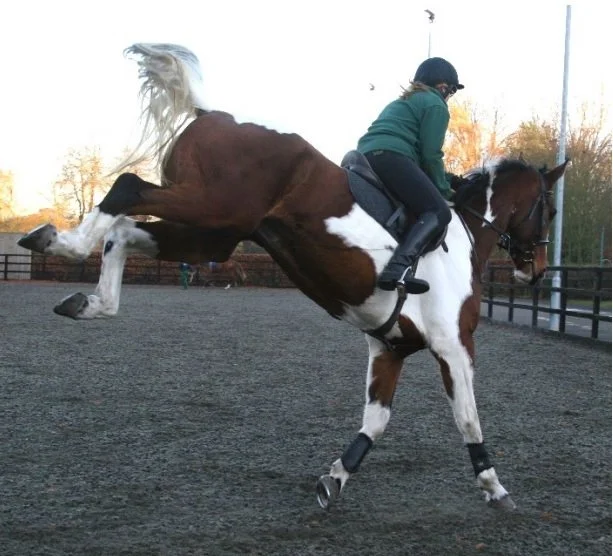
Q&A Recording: Two of the 24 Behaviors stand out due to the safety threat they pose. Dr. Sue Dyson clarifies various common causes of bucking and rearing, as well as more subtle aspects of unwillingness. She discusses the best ways to respond to these often dangerous behaviors, and answers audience questions about them.
-
![]()
“No Hoof, No Horse” - a Live Q&A with Dr. Dyson
Q & A Recording: This common saying expresses the fact that the health of a horse’s hooves are inseparable from their overall wellbeing.
In a live conversation with Dr. Sue Dyson, we will discuss topics ranging from the relative advantages and disadvantages of shod vs. “barefoot” hooves, to the crucial role of communication between vets, farriers and owners.
-
![]()
Where are they now?
Q&A Recording: We’re celebrating the one year anniversary of the 24 Behaviors film!
The Train with Trust Project host an update from Lauren & Galina.
Film maker Kathryn Lauritzen and Dr. Sue Dyson will give a behind the scenes look at the many challenges faced in creating the film that is shifting the paradigm of how we see lameness, as well as horse-human relationships.
-
![]()
"Kissing Spines" - What you should know
Q&A Recording: Advances in veterinary medicine and imaging technology have led to an increase in diagnoses of “kissing spines” in horses with back pain and performance issues, but there is some debate over how significant these findings are.
What is this condition? How common is it? What causes it? And what are the best diagnostic and treatment options?
Dr. Dyson discusses the latest research and answer audence questions.
-
![]()
Social License to Ride - What it is & why it matters
Q&A Recording: How do people outside the horse world feel about what we do, and why does it matter?
“Social license” refers to an unwritten agreement between the public and those who ride horses, that what we do is okay.
In order for riding to be socially acceptable, the majority of people need to agree that we make right and ethical decisions for horses. Maintaining this trust is important to the future of horse riding in its many forms.
We can find common ground by looking at what the evidence tells us are the best practices to ensure the wellbeing of our equine partners.
Join our Live Q&A with Dr. Sue Dyson as she weighs in about the role of science and research in the on-going social license conversation.
-
![]()
Canter Dysfunction
Q&A Recording: Does your horse frequently pick up the wrong lead, swap leads, cross-canter or otherwise struggle to maintain a balanced, 3-beat gait? Canter dysfunction is one of the most common signs of pain in the ridden horse.
Dr. Dyson will discuss the various ways the canter can be affected by musculoskeletal pain, and what signs to look for.
-
![]()
The science of Saddle Fit
Q&A Recording: Dr. Sue Dyson answers questions and discusses many elements of saddle fit, for both horse and rider that are often underestimated in their affects on soundness as well as performance.
-
![]()
View all blogs
Watch recorded Q&A discussions and read Dr Dyson’s answers to audience questions in our ongoing conversation about the well-being of ridden horses.
Topics include:
Bucking, Rearing and Unwillingness
"Kissing Spines" - What you should know
"Girthy" behavior: resources for better understanding



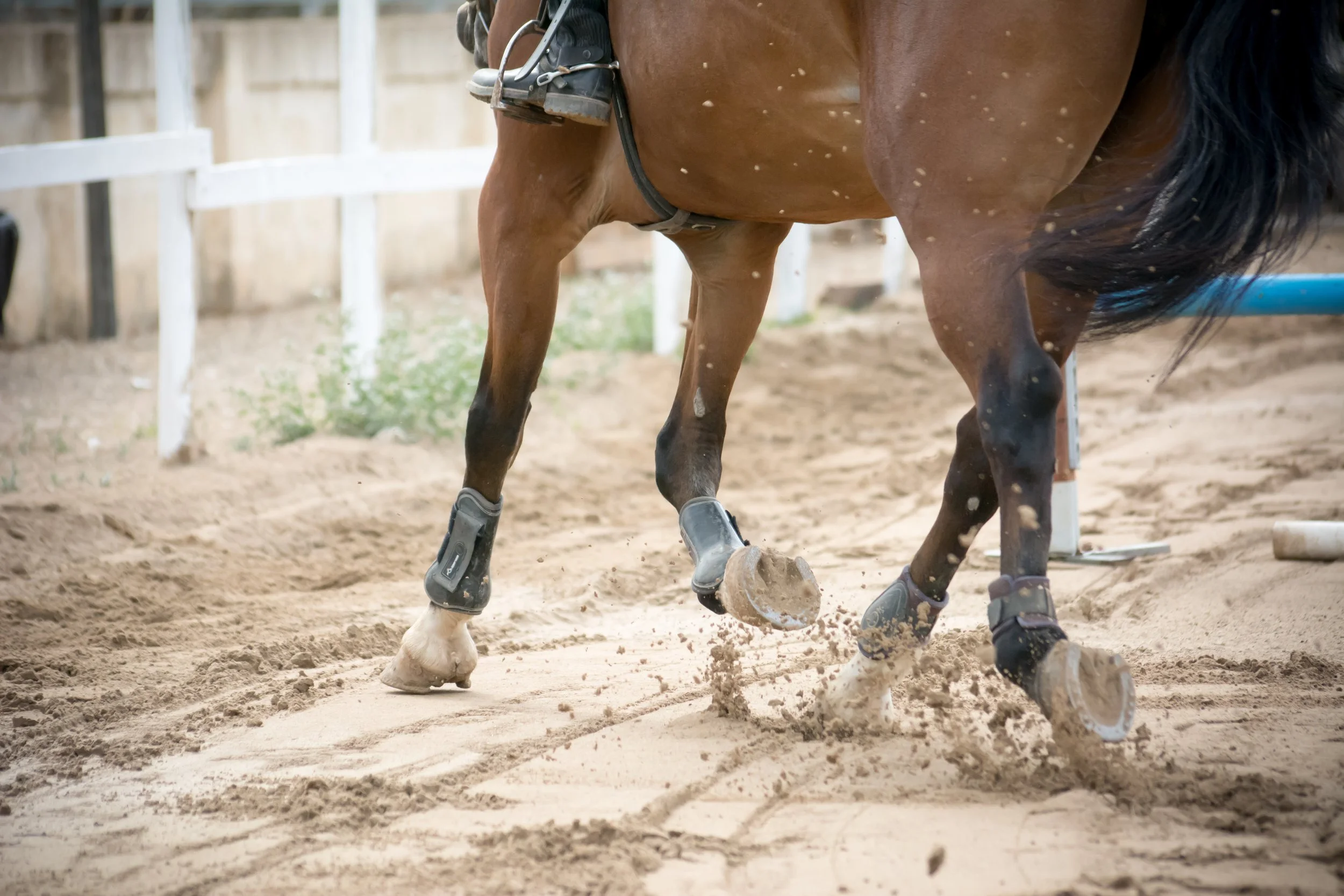
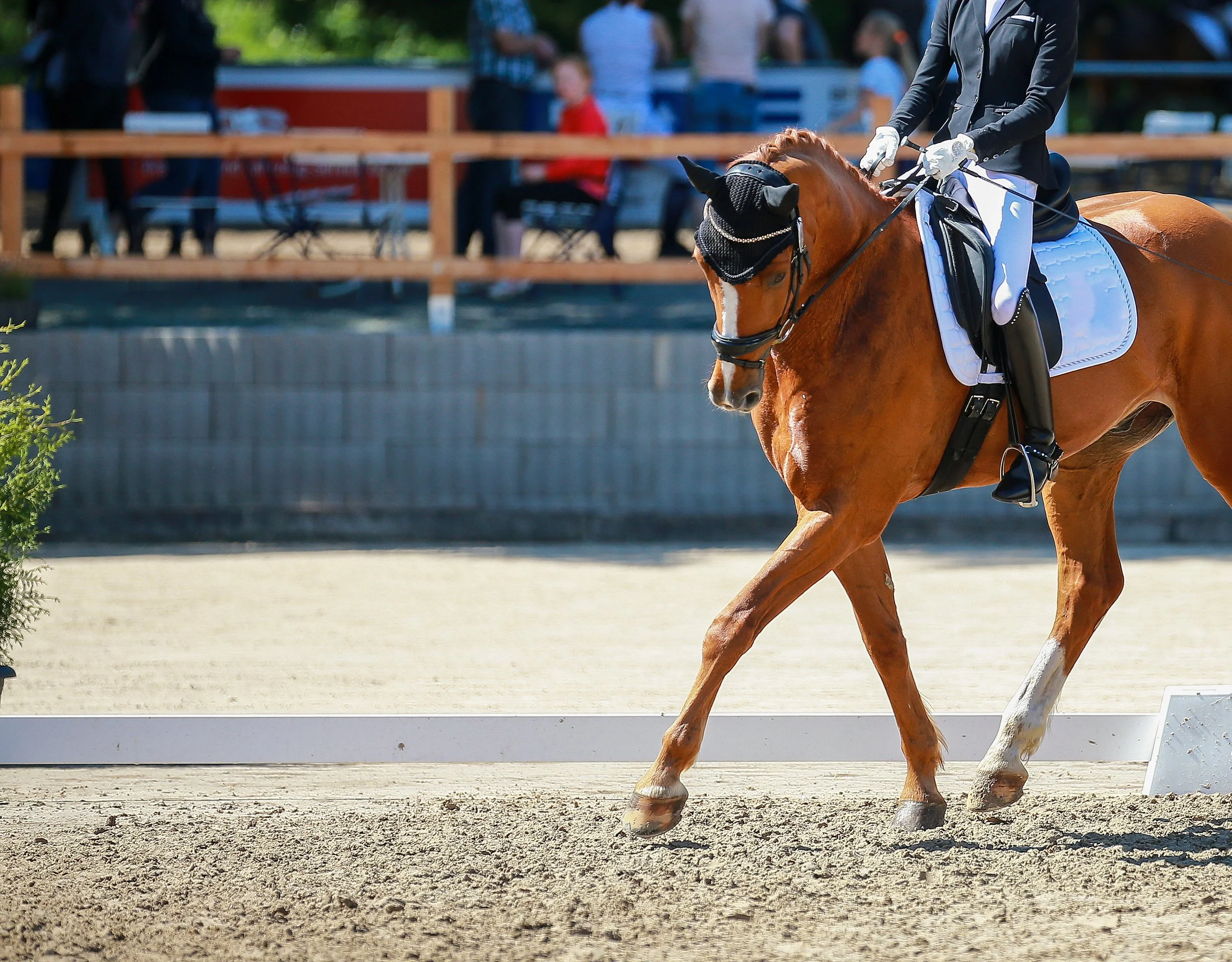

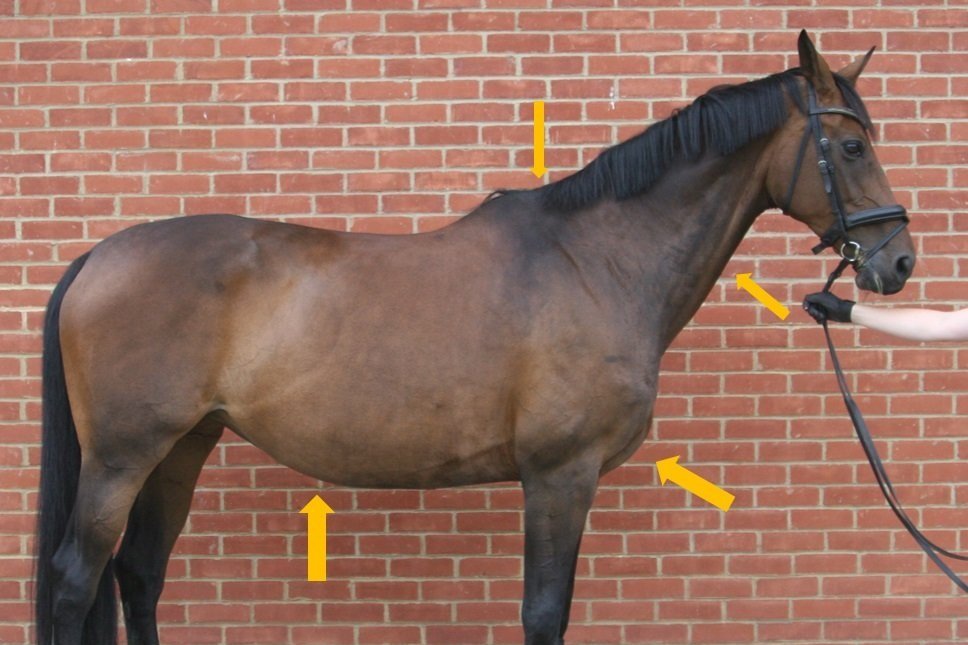


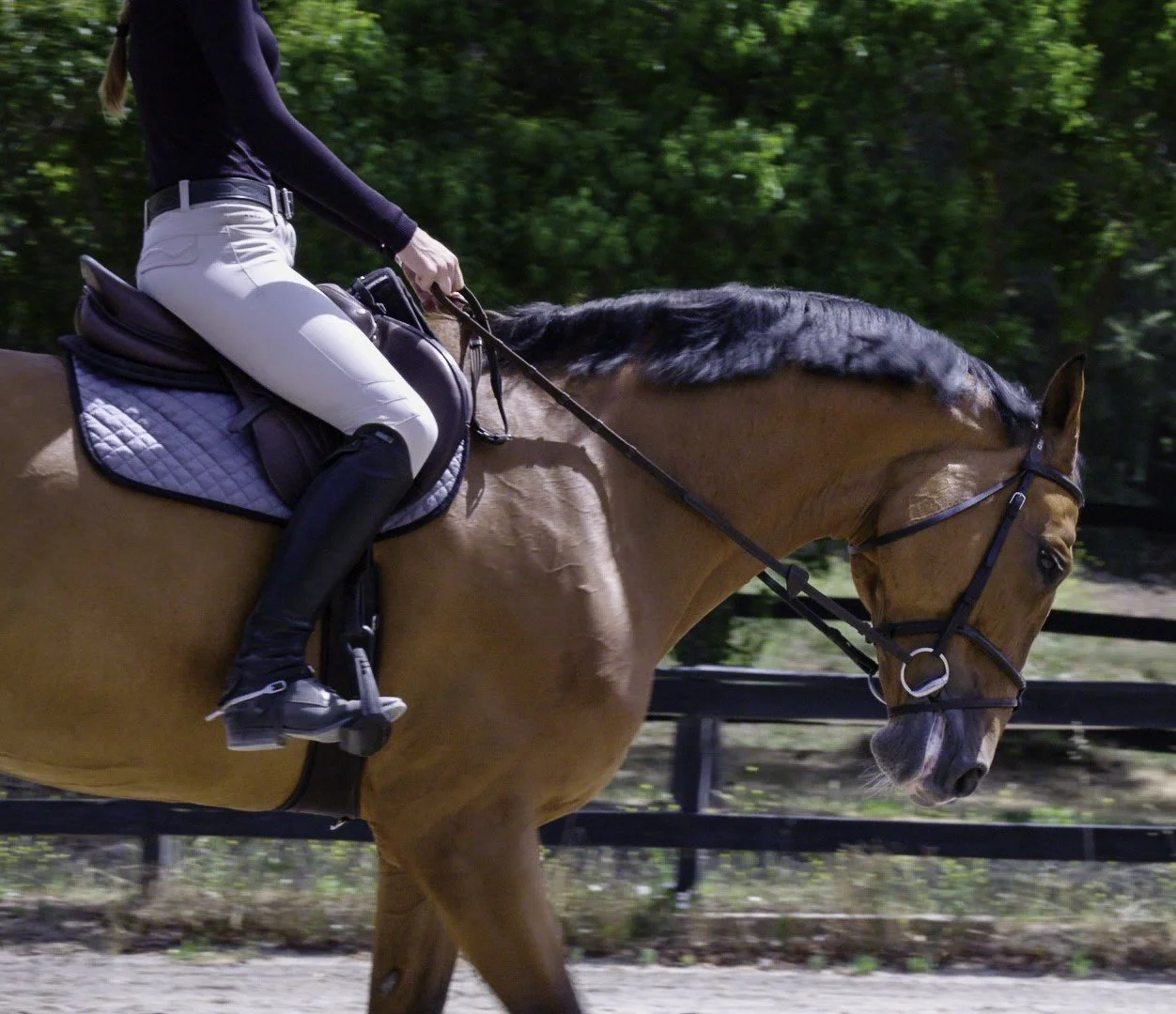










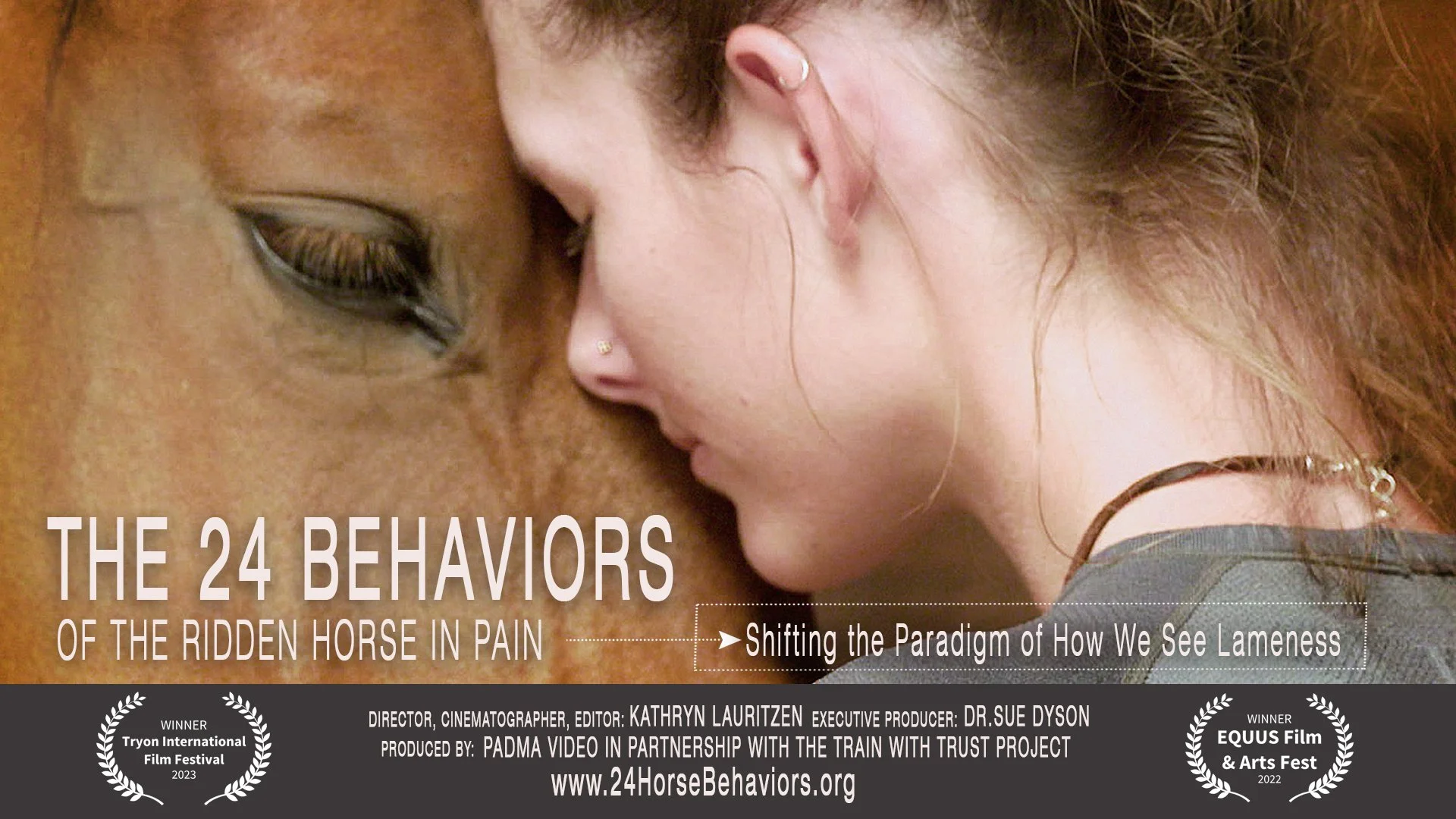
The 24 Behaviors of the Ridden Horse in Pain: Shifting the Paradigm of How We See Lameness.
The 24 Behaviors of the Ridden Horse in Pain is an award winning film, produced by Padma Video in partnership with the Train with Trust Project that dares to challenge the way we look at "badly behaving" horses, and promotes the notion that common behavioral signs of discomfort can serve as early indicators to address orthopedic problems before horses become lame.
New Educational Series available!
from horses inside out & Dr. Sue Dyson
15% off with Code: TWTBBOM
A new 7-part documentary series from Horses Inside Out - The Bare Bones of the Matter- features Dr. Sue Dyson and other equestrian experts helping horse owners deepen their understanding of their horses while raising awareness about their comfort, movement, welfare, and the best practices for maintaining the highest standards in the equine world.
Using the skeleton of Freddie Fox, the original star of Horses Inside Out, equine anatomy and biomechanics specialist Gillian Higgins shares his story alongside special guests, including world leaders in their fields, many of whom were part of the multidisciplinary team that cared for Freddie during his life.
Dr. Dyson’s episode (Chapter 3 – Healthy Bones) premieres on 8th October. We are thrilled to offer Train with Trust Project followers a special 15% discount.
Buy Full Series for £95
Purchase Chapters for £25
15% off with code TWTBBOM
Horses and the Science of Harmony
“We wanted everyone, from the pony clubber to the Olympic athlete to learn
new information. For instance, many people don’t realize that smell is probably the horse’s
strongest sense or that horses routinely hear sound frequencies that we cannot hear.”
The Train with Trust Project is a proud promotional partner for a new full length feature film “Horses and the Science of Harmony”. The film examines the nature of harmony between horse and rider through the eyes of 3-day event rider Bubby Upton and through the lens of cutting-edge science.
Produced by UK-based equine performance specialist Dr. Sue Dyson and US-based Kathryn Lauritzen of Padma Video, the film can be seen on YouTube and on Smart TV platforms: Apple TV, Amazon Fire, ROKU, LG, Samsung, as well as on-line via Equus Television Network.
Horses and The Science of Harmony is available, free to view, as of Friday October 25, 2024.
Follow us on social media
Sign up to be notified whenever new educational content is released
Your email is safe with us! We will not share your information with anyone.
Dr. Sue Dyson is a world-renowned expert in equine orthopedics, with a focus on lameness and poor performance in sports horses. She lectures internationally and is known both for her clinical work and extensive research having published over 350 peer reviewed papers on lameness and diagnostic imaging in scientific journals. She’s also co-authored several veterinary textbooks as well as training and competing at top national level in both eventing and show jumping.
Dr. Sue Dyson

The Research:
Through a six-phase study, spanning three years, and over 400 horses, Dr. Sue Dyson and colleagues developed The Ridden Horse Pain Ethogram (RHpE). A tool to reliably predict lameness before the condition worsens into limping and other obvious signs of injuries. Click here to access a publications list and read peer reviewed articles.